A hypercar born from obsession
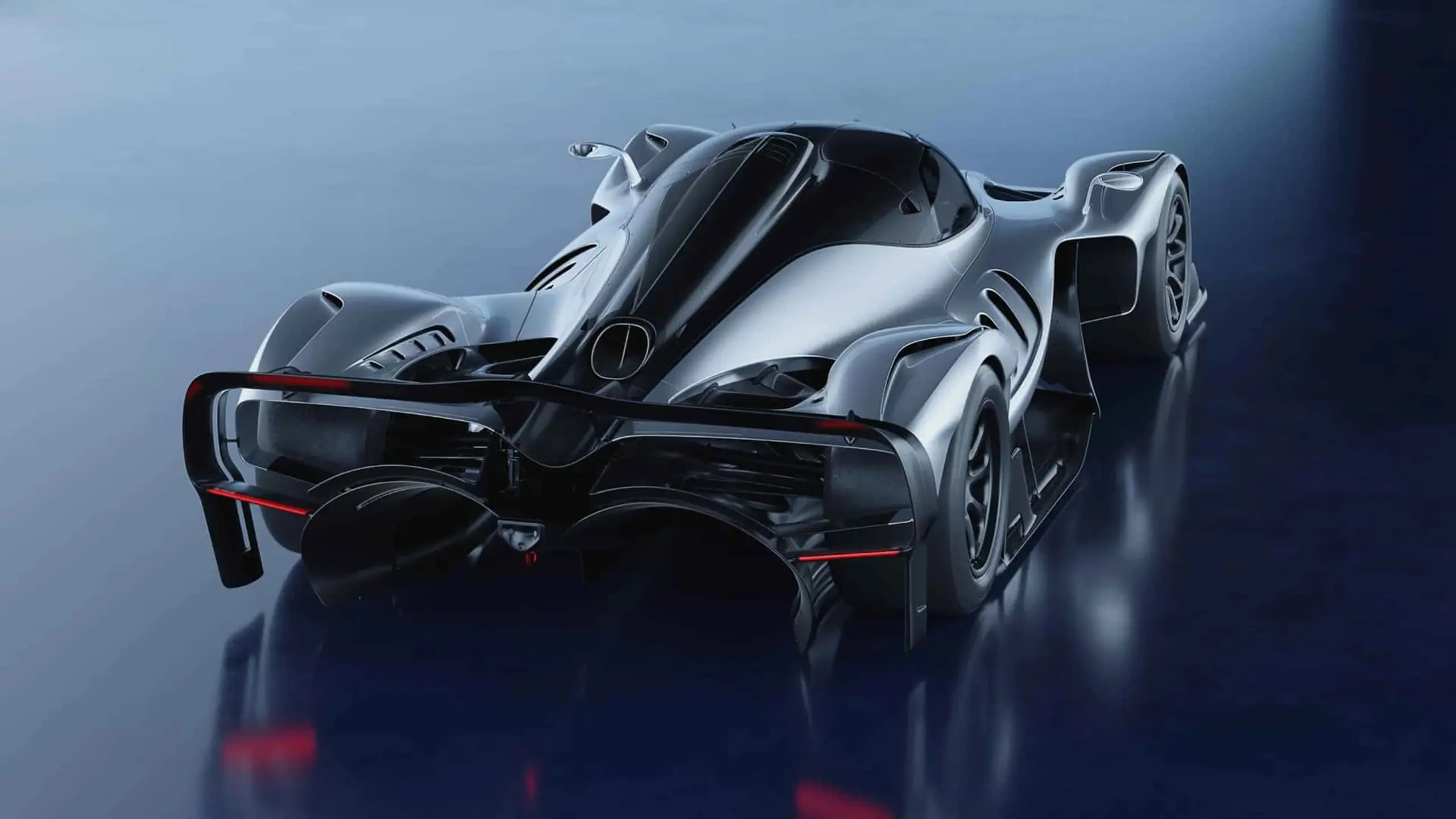
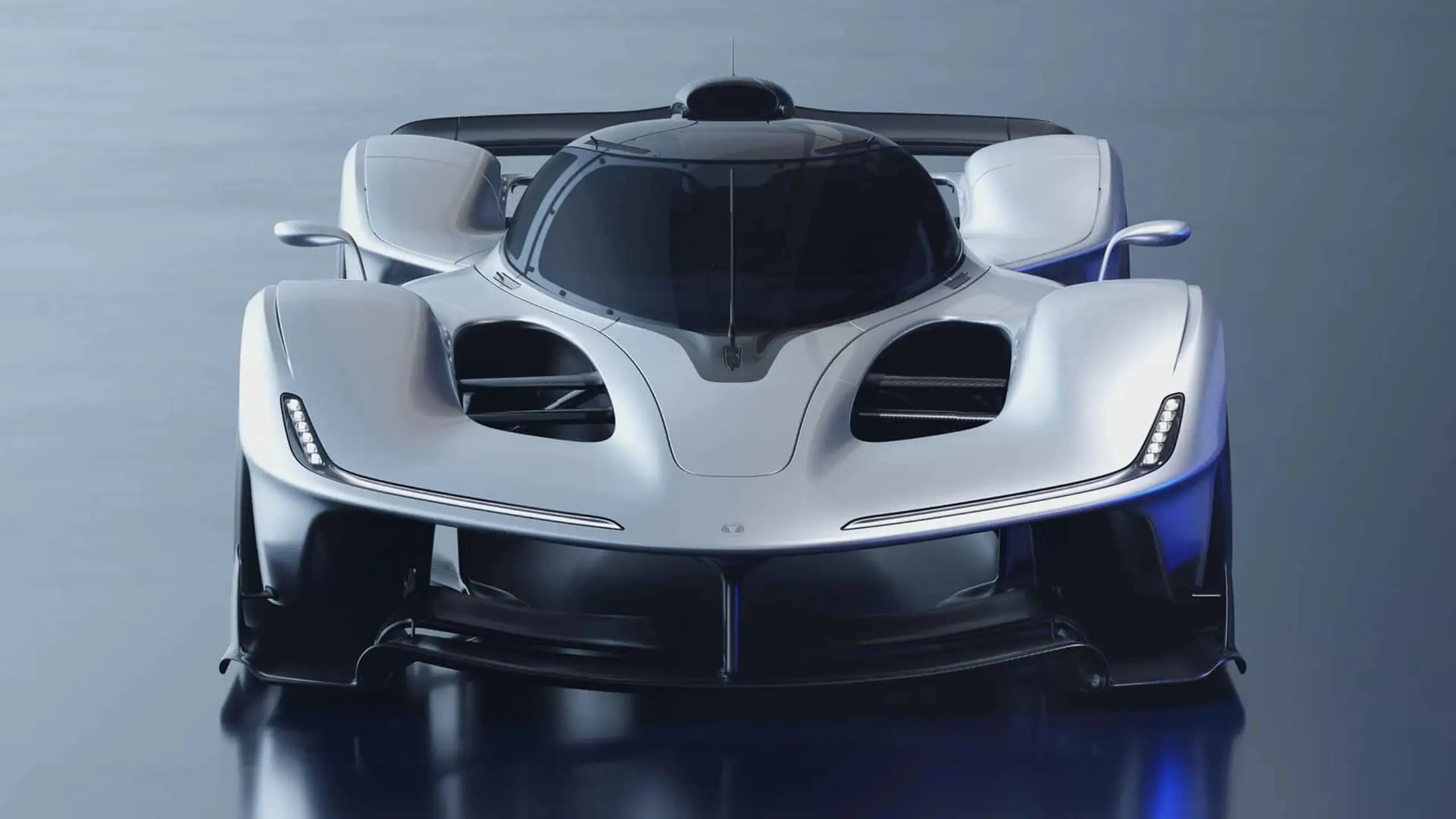
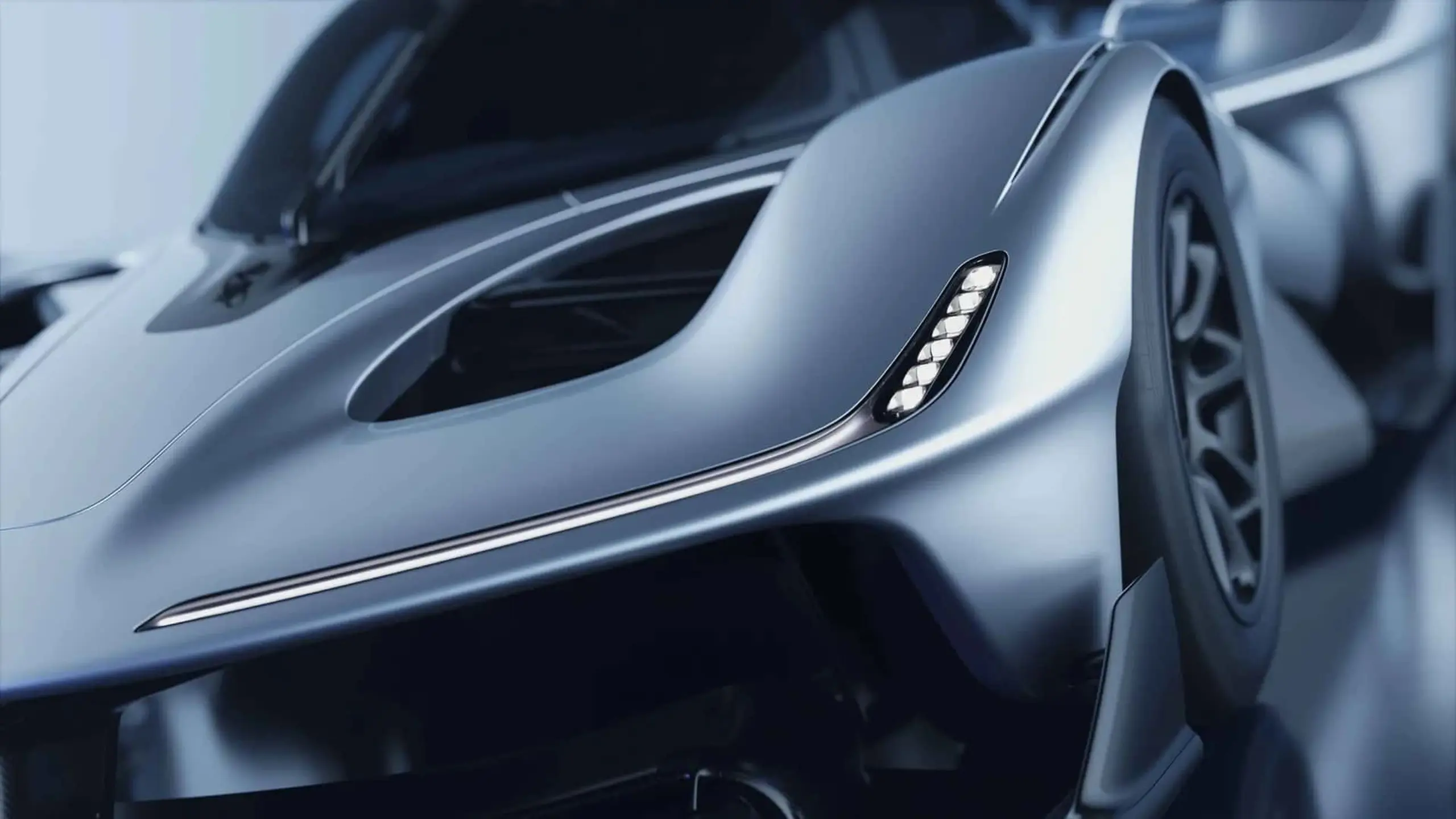
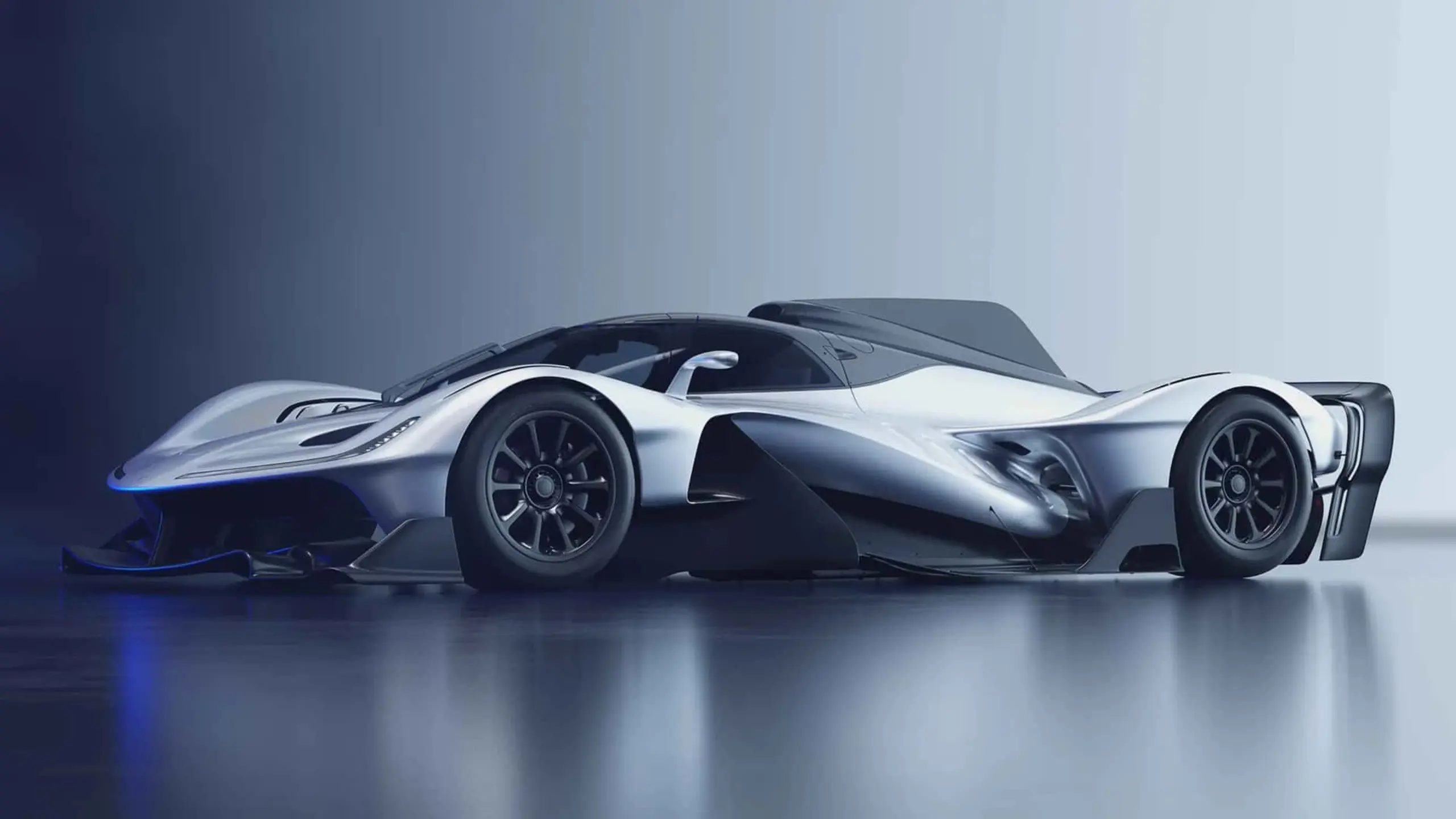
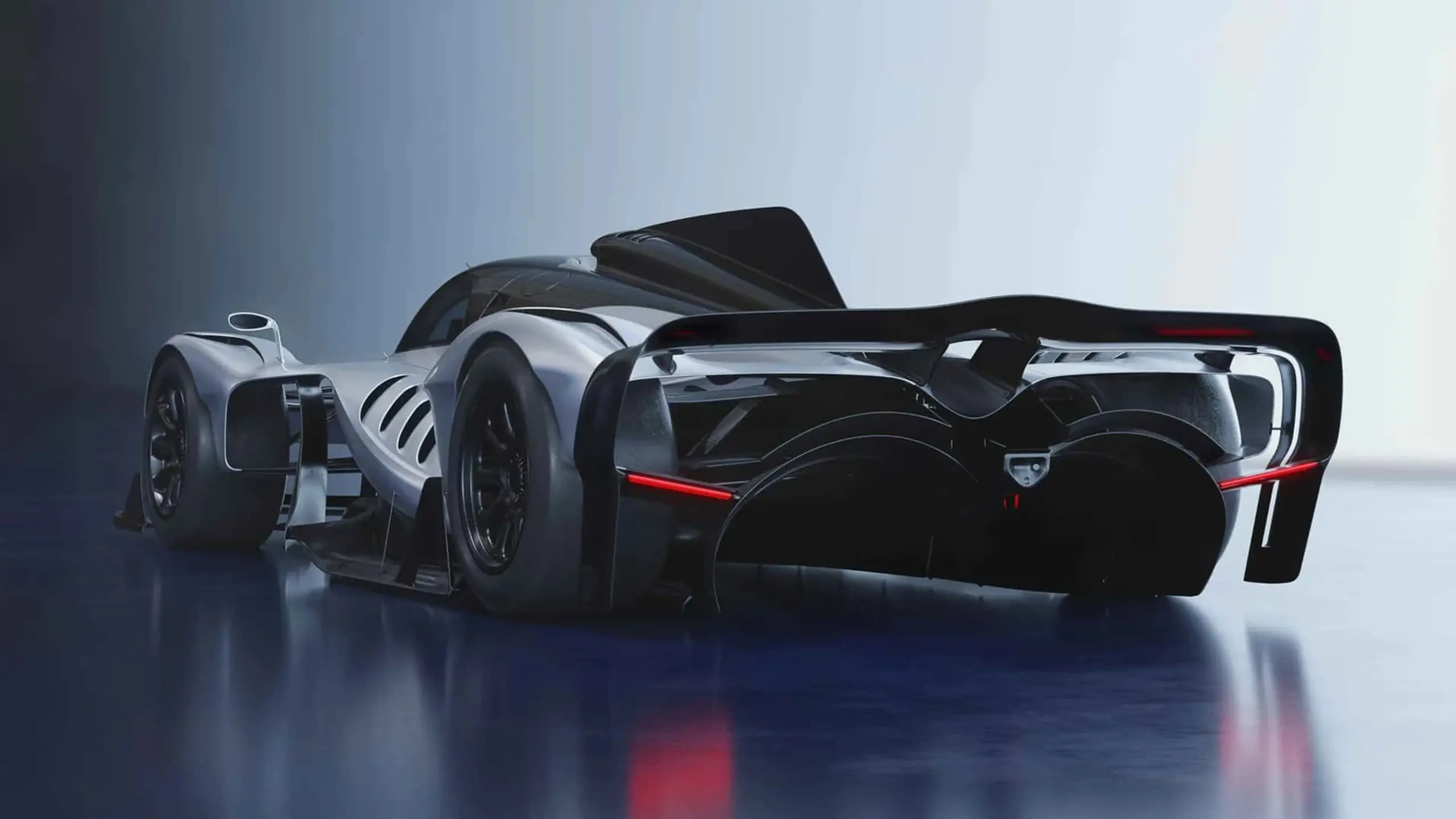
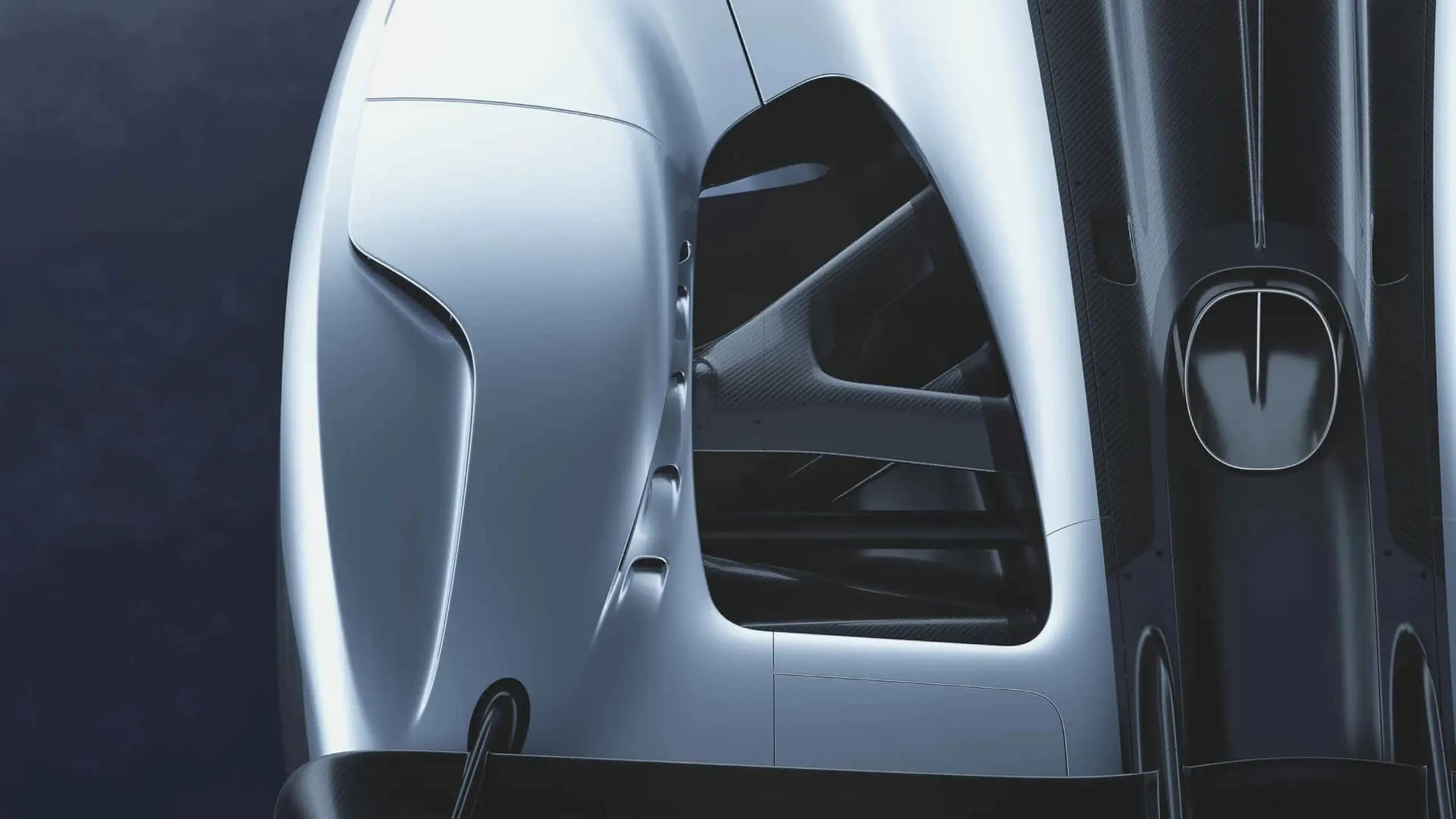
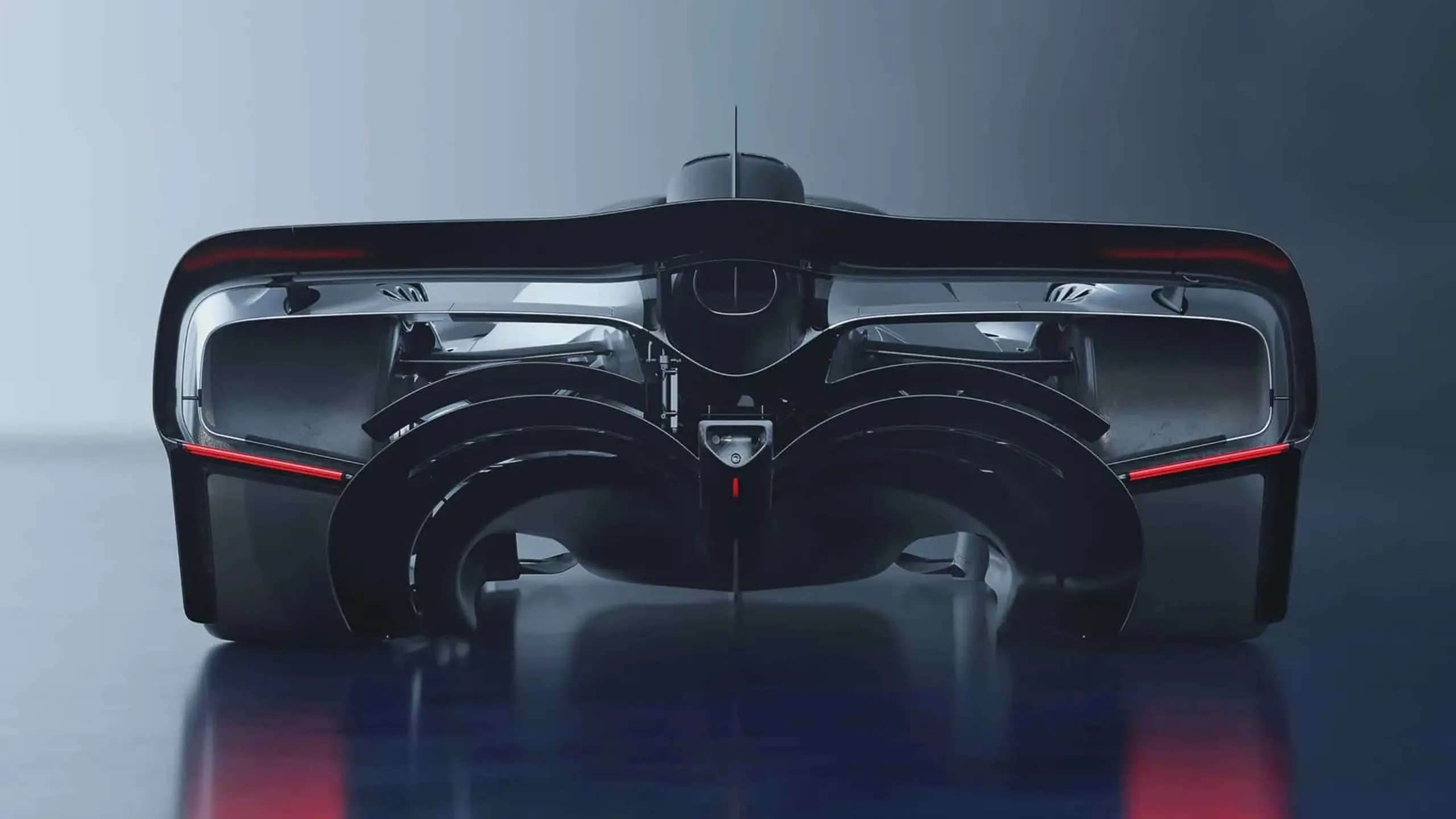
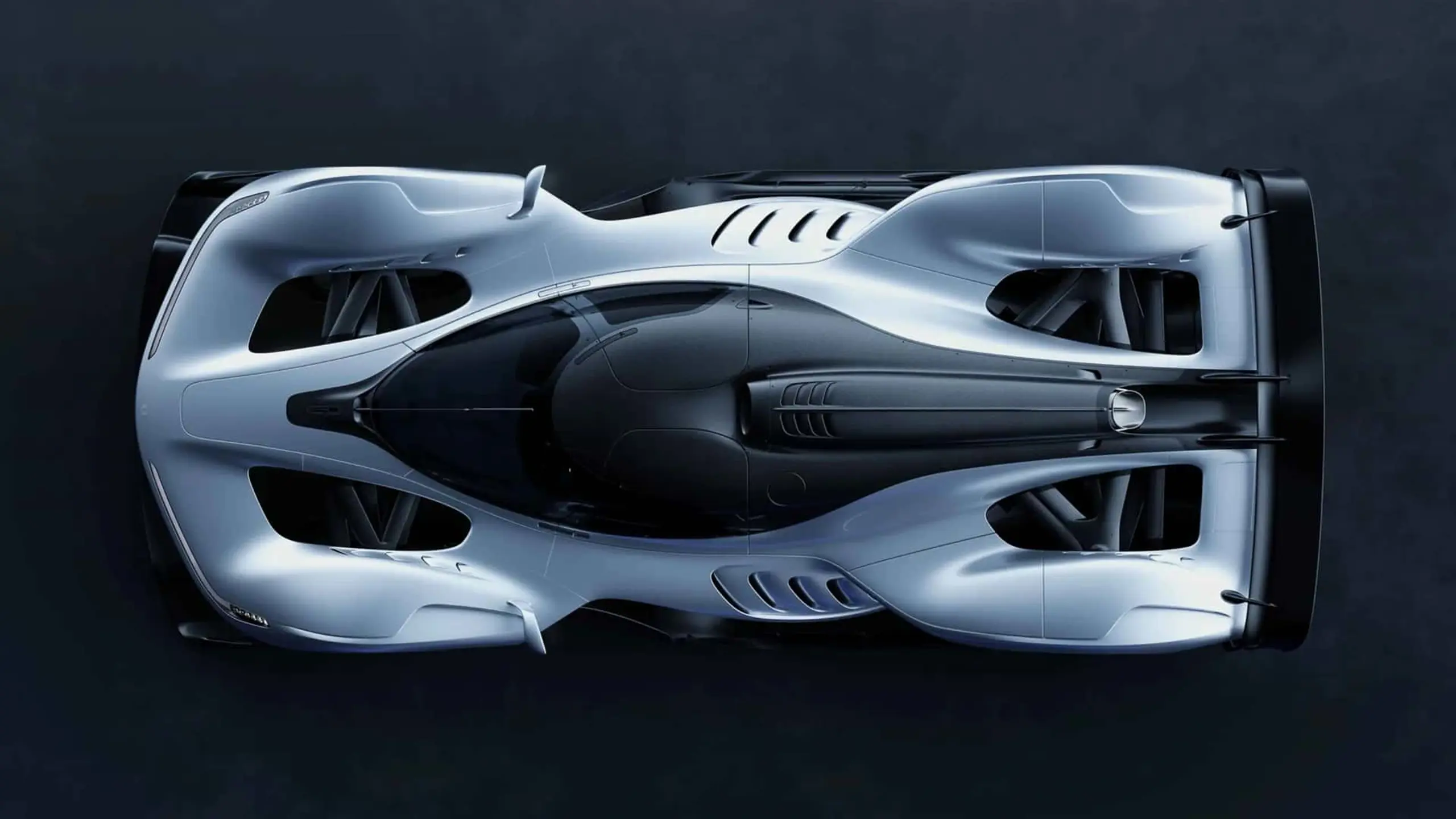
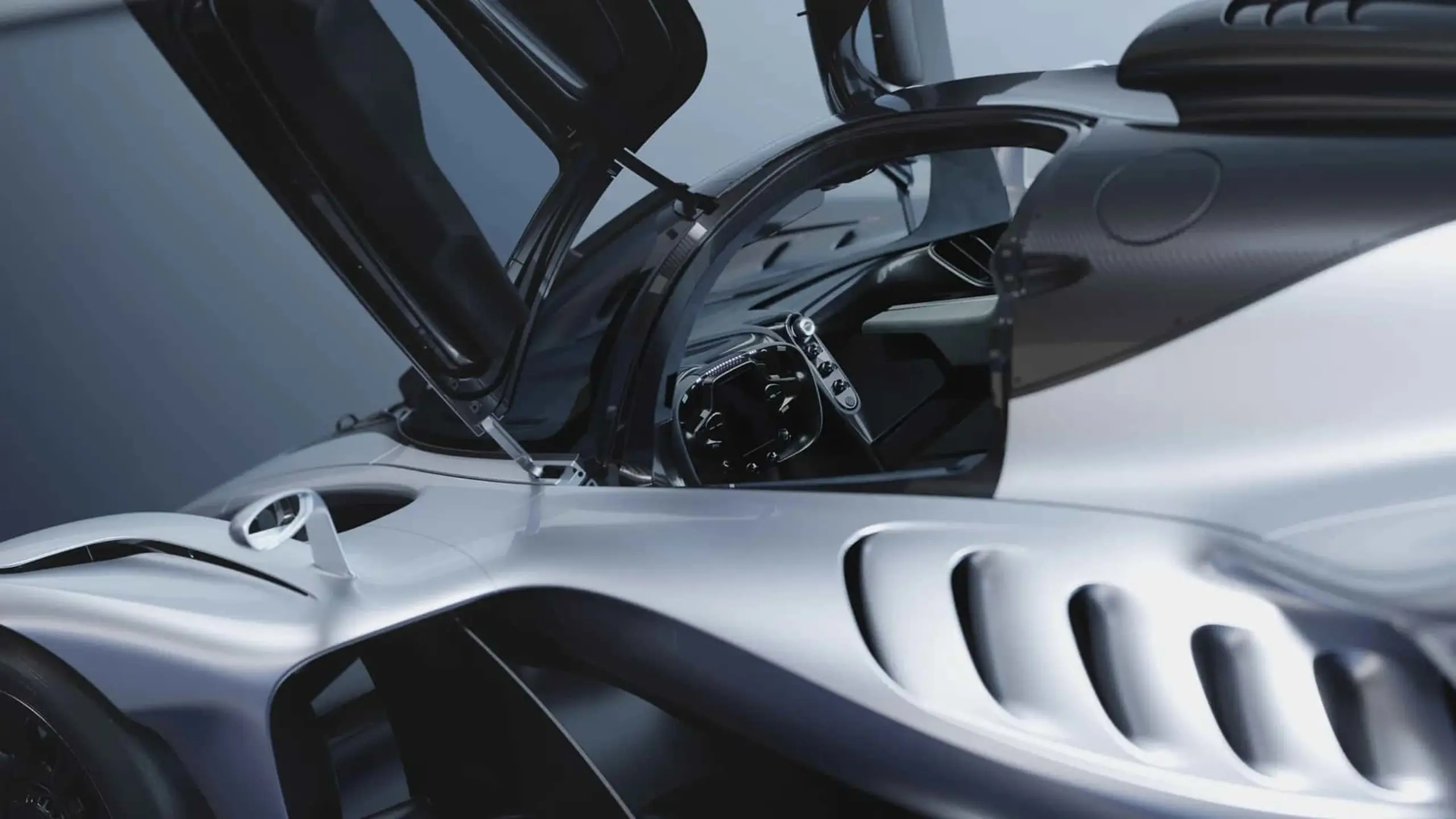
The RB17 was never intended to be reasonable. Conceived as Adrian Newey’s ultimate expression of performance unconstrained by racing regulations, it exists in a space few cars ever dare to occupy, closer to a Formula One car than a road-legal hypercar, yet liberated from the compromises that even F1 demands. Although Newey formally departed Red Bull to join Aston Martin, his presence continues to loom large over the RB17 project. The final design reveals a machine that has evolved significantly since its first unveiling, shaped by relentless refinement rather than radical reinvention. Every change speaks to the same underlying philosophy: absolute performance, distilled through obsessive attention to detail. This latest iteration, effectively RB17 version 2.0, introduces a more resolved visual identity. The new hockey-stick LED headlights finally give the car a recognisable face, while refined cooling apertures and an imposing sail-like dorsal fin reinforce its aerodynamic intent. The RB17 is fractionally smaller than originally planned, yet its footprint still mirrors that of a modern F1 car. Real-world concessions such as mirrors and a windscreen wiper serve as subtle reminders that this is not a static concept, but a machine intended to be driven, ferociously.
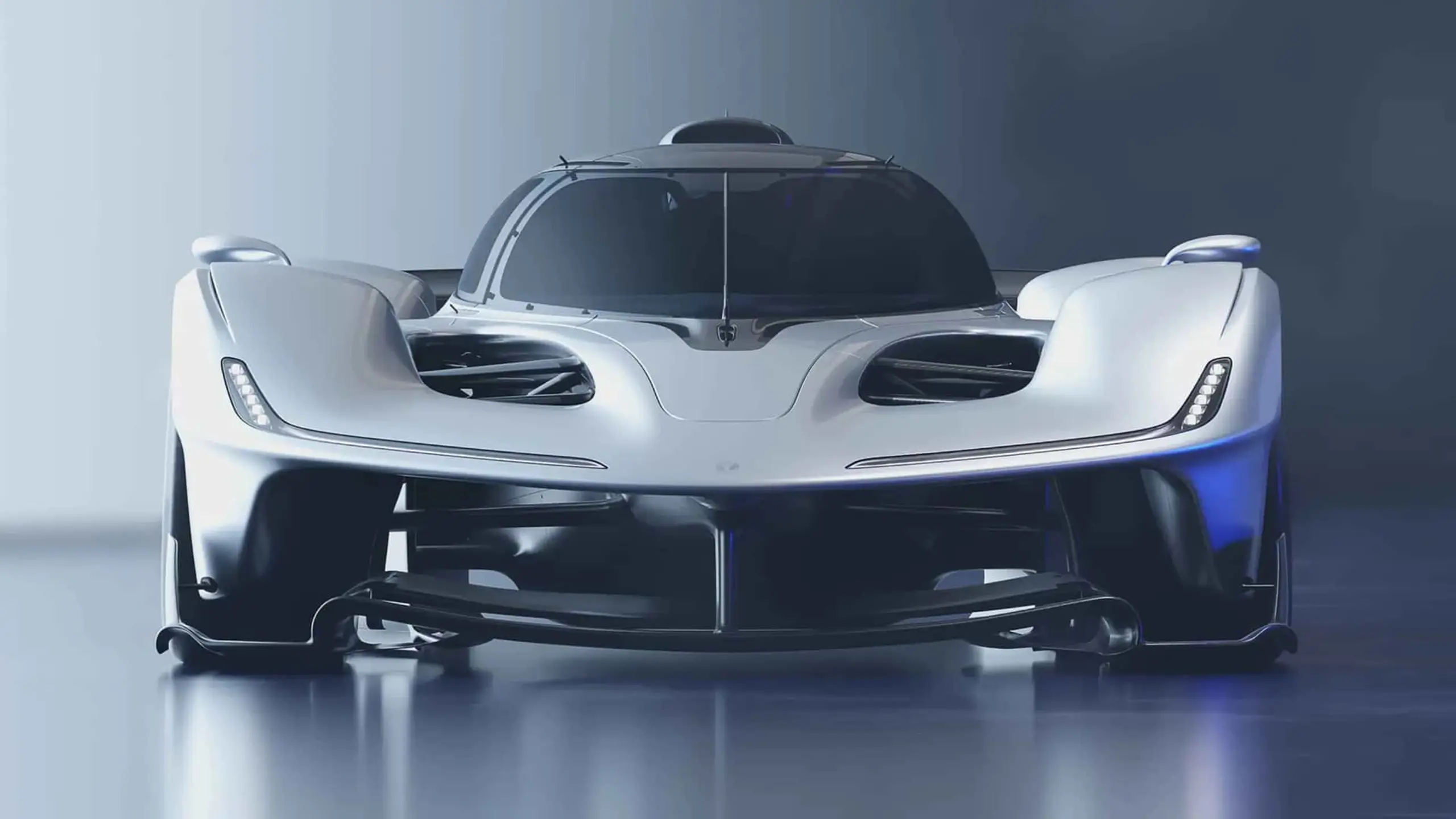
Aerodynamics written in carbon and fire
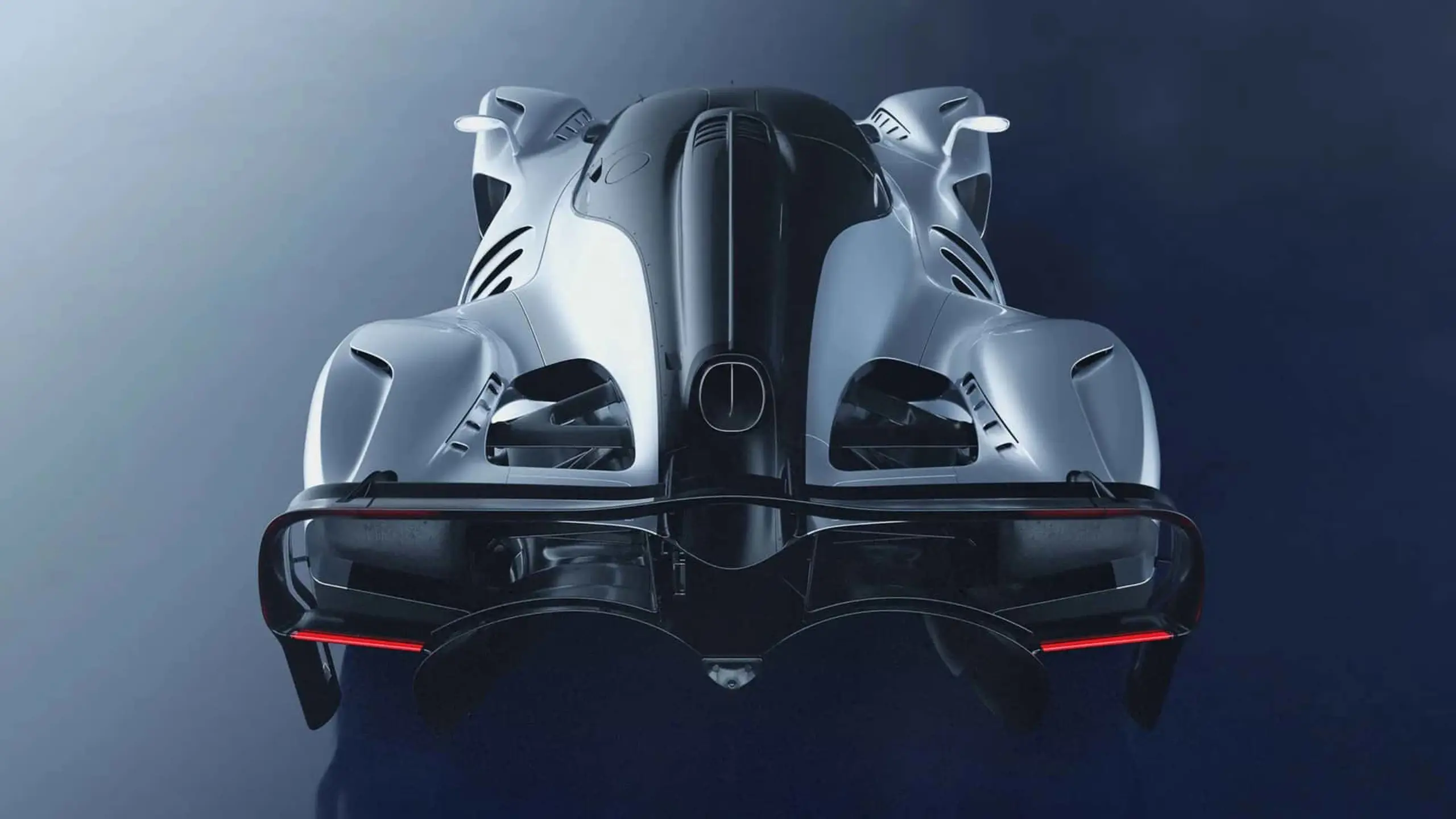
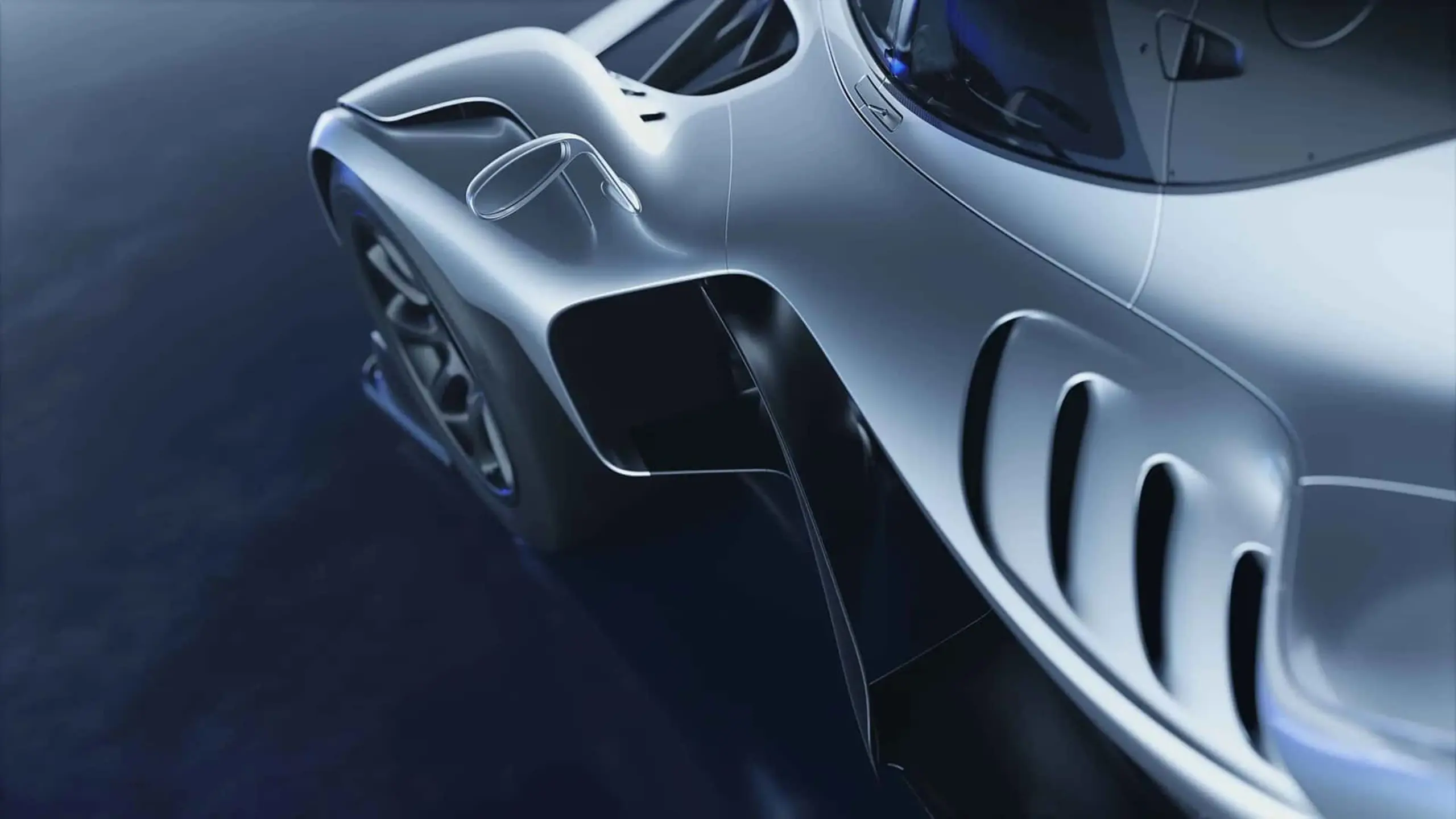
At first glance, the RB17’s design language is uncompromisingly functional. There is no excess, no ornamentation, only airflow management rendered in carbon fibre. The revised bodywork introduces more finely sculpted vents, cleaner surfaces and an engine cover dominated by a dramatic central spine. That spine is not merely aesthetic. One of Adrian Newey’s final interventions was relocating the exhaust outlet to the very top of the engine cover, a decision that demanded significant thermal reengineering. Routing exhaust gases through such an exposed, aerodynamically critical area required extensive development to prevent catastrophic heat management issues. It is a classic Newey move: elegant in theory, brutally complex in execution. Beneath the bodywork lies a truly bespoke powertrain. The naturally aspirated 4.5-litre Cosworth V10 is the emotional core of the RB17, revving to a stratospheric 15,000 rpm and producing 1,000 horsepower on its own. An electric motor supplements this with a further 200 horsepower, smoothing torque delivery during upshifts and handling reverse gear duties. Yet for all the modern hybrid assistance, the defining feature remains the sound. The RB17’s ten-into-one exhaust manifolds are tuned specifically to recreate the shriek of late-1990s and early-2000s Formula One cars, a deliberate homage to Newey’s favourite era, particularly the McLaren-Mercedes MP4/15. This is not synthetic nostalgia; it is mechanical memory, amplified to an almost violent intensity.
A cockpit built for G-forces, not comfort
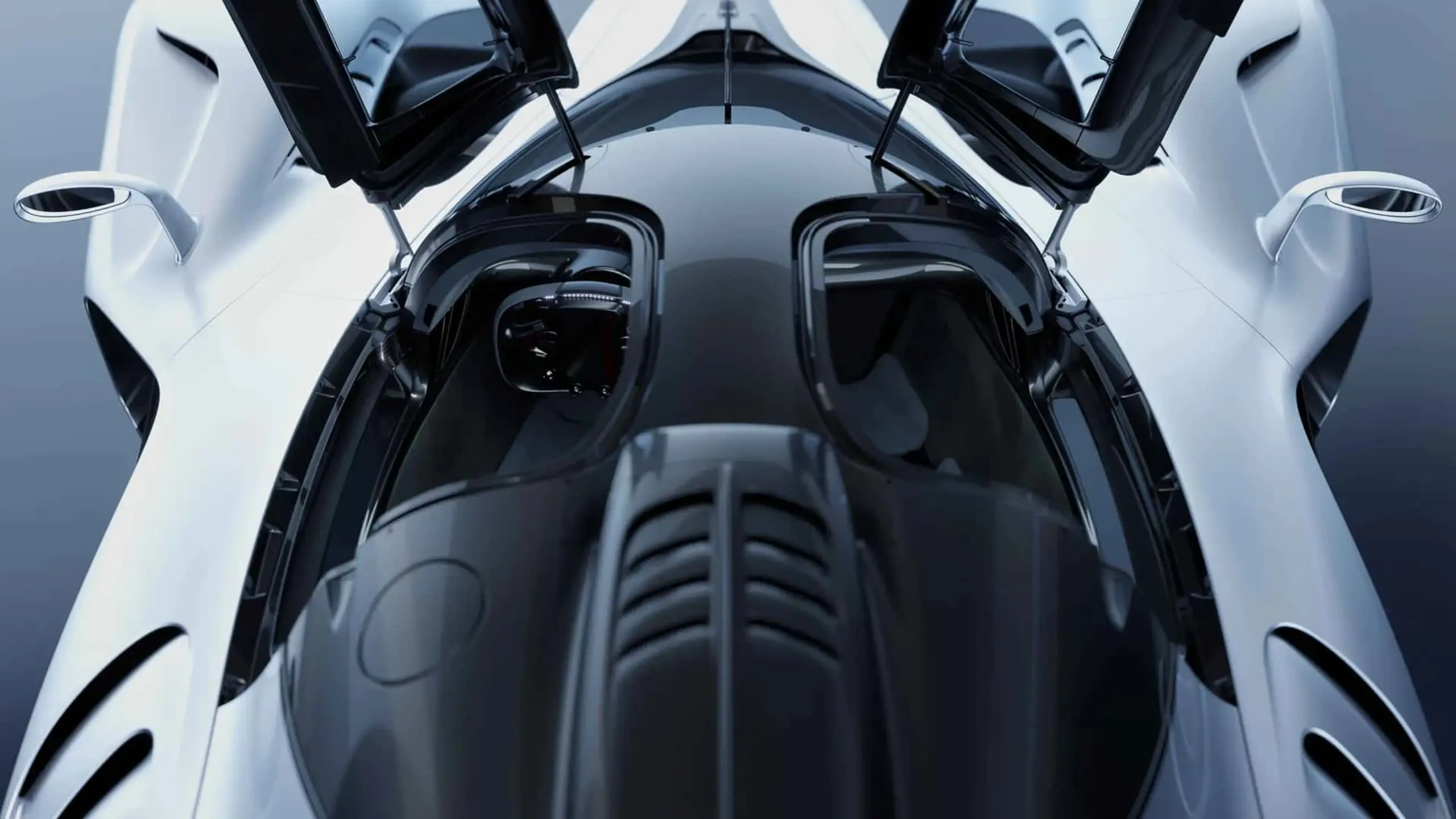
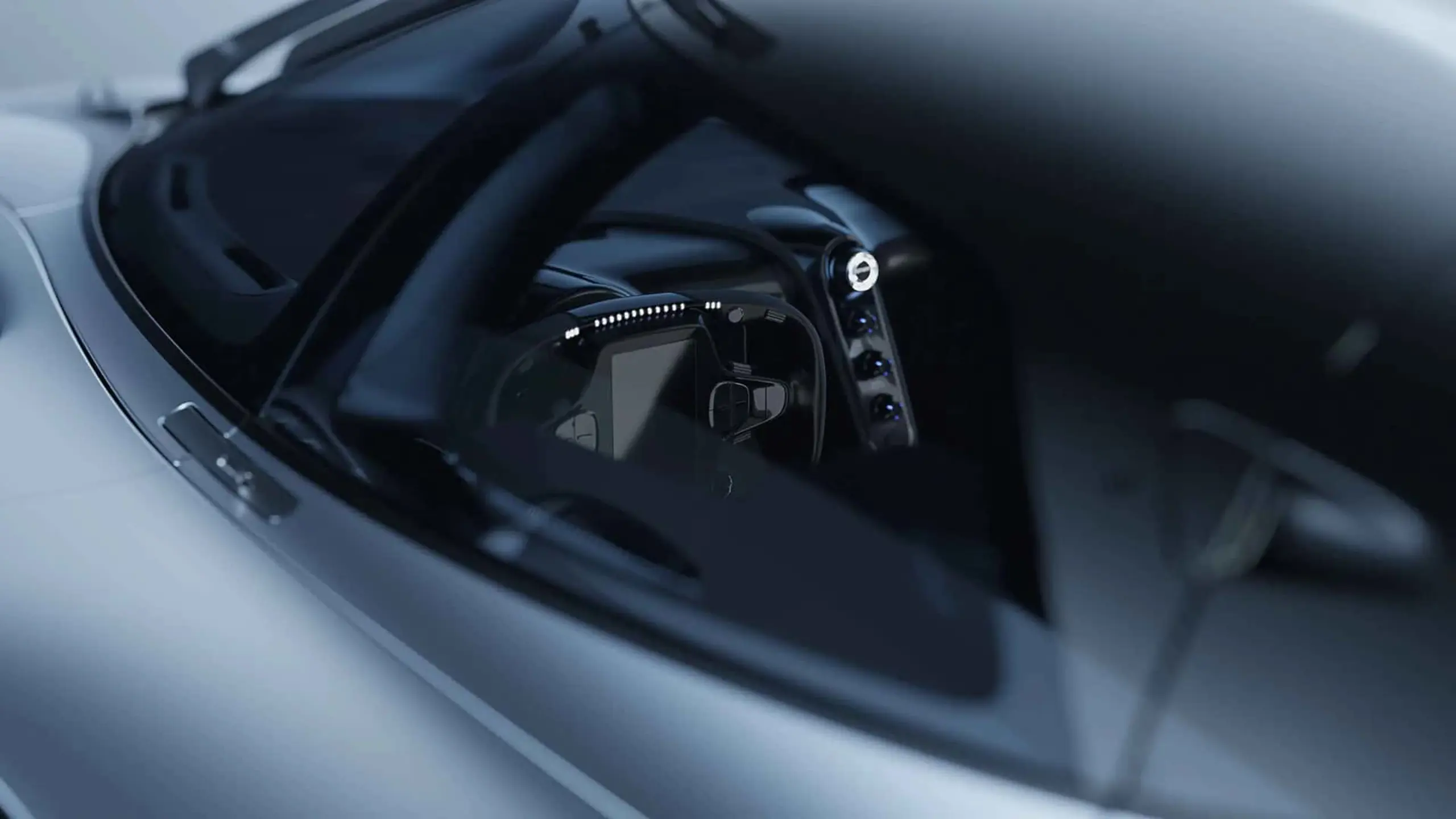
The RB17’s interior marks its first public reveal, and it is as uncompromising as the exterior suggests. Designed to Le Mans prototype crash standards despite having no racing eligibility, the cockpit reflects what Red Bull describes as a “duty of care” toward its future owners. With lap times projected to rival contemporary Formula One qualifying pace, such caution feels entirely justified. This is a driver’s environment stripped of distractions. Haptic controls, touchscreens and capacitive buttons were dismissed early in the design process. Instead, every function will be operated through physical, tactile controls engineered for clarity under extreme load, a necessity when drivers may be experiencing up to 5G, aided by an astonishing 1,700 kilograms of fan-generated downforce. Lines of sight, control placement and seating geometry are still being fine-tuned on a full-scale buck at Red Bull Advanced Technologies, but the philosophy is clear. Like an F1 cockpit, the RB17 prioritises instinctive operation over visual drama. This is not a place for ambient lighting or digital theatre, it is a workspace. Even ingress and egress have been carefully considered. Unlike Newey’s previous closed-car design, the RB17 employs front-hinged butterfly doors rather than roof-mounted gullwings. The solution allows occupants to step onto the seat before lowering themselves into position, a practical detail that underscores how deeply usability has been engineered into this extreme machine.
The last of its kind
The RB17 is already deep into its validation phase. Extensive simulator work and component dyno testing have accumulated significant virtual mileage, and the first physical car is now under construction. Public appearances are expected later this year, with demonstration laps likely to coincide with select Formula One Grands Prix, a fitting stage for a car born from the sport’s most fertile imagination. Production of the 50 customer cars will begin next spring, each one built in the UK to exacting standards. There will be no race series, no homologation battles, no Balance of Performance debates. The RB17 exists outside competition, liberated from the constraints that define modern motorsport. In that sense, it represents something increasingly rare: a pure engineer’s car. A machine shaped not by marketing clinics or regulatory frameworks, but by one individual’s uncompromising vision of how fast a car should be. With its screaming V10, fan-assisted aerodynamics and unapologetically analogue cockpit, the RB17 is less a hypercar than a statement, a reminder that at the very edge of performance, progress is still driven by obsession, intuition and courage. And in its final form, the RB17 feels not like a conclusion, but like a defiant last word.